
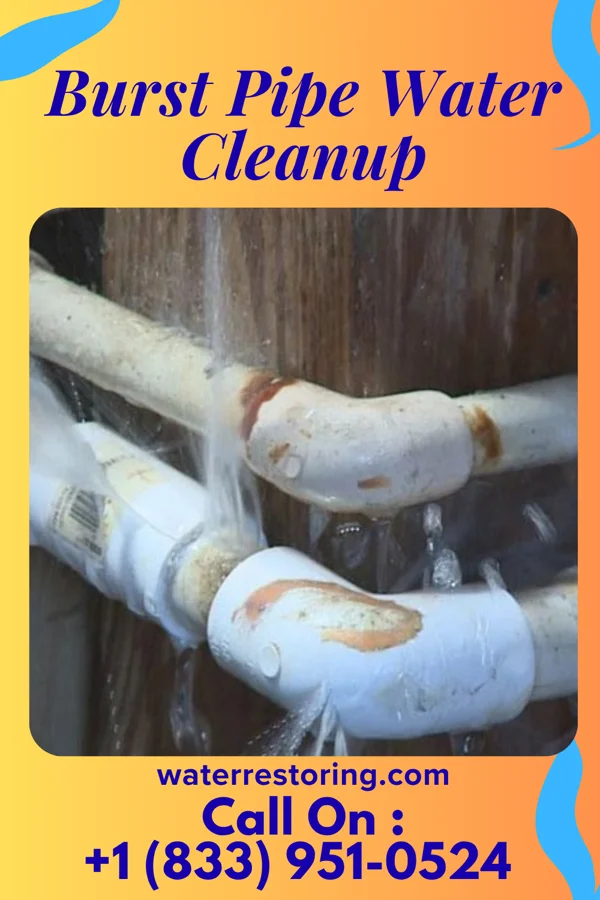
What Makes Great Notch Prone to Burst Pipes
Living in Great Notch means dealing with Great Notch, New Jersey, experiences a moderate risk of pipe bursts due to its suburban setting and proximity to Montclair State University, which can lead to increased water usage and pressure fluctuations. The area's aging infrastructure, particularly in older residential neighborhoods, contributes to a higher likelihood of pipe failures during peak usage times. sooner or later. A close second is The presence of numerous residential and commercial properties in Great Notch, including areas like Upper Montclair and Singac, increases the potential for pipe bursts due to higher population density and concentrated water systems. Additionally, seasonal changes and fluctuating water pressure can exacerbate existing pipe vulnerabilities.. The good news: water damage is fully recoverable when you catch it fast and bring in certified technicians.
Great Notch's temperate climate with distinct seasonal changes plays a significant role in pipe burst risks. The area experiences cold winters and hot summers, both of which can stress plumbing systems. Proper insulation and regular maintenance are essential to mitigate these risks.
Most burst pipe water cleanup calls in Great Notch come from Great Notch, New Jersey, experiences a moderate risk of pipe bursts due to its suburban setting and proximity to Montclair State University, which can lead to increased water usage and pressure fluctuations. The area's aging infrastructure, particularly in older residential neighborhoods, contributes to a higher likelihood of pipe failures during peak usage times.. Running a close second is The presence of numerous residential and commercial properties in Great Notch, including areas like Upper Montclair and Singac, increases the potential for pipe bursts due to higher population density and concentrated water systems. Additionally, seasonal changes and fluctuating water pressure can exacerbate existing pipe vulnerabilities.. Local mold risk: Great Notch's moderate humidity levels and frequent rainfall can create conditions conducive to mold growth after a burst pipe. Prompt cleanup and drying are crucial to prevent long-term damage and health risks.
For public guidance on the health effects of mold after prolonged water exposure, see the EPA mold and health page.